
Rural Employability Scheme
The new bespoke programme preparing young people for the outdoor and rural work place.
Rural Employability Scheme (RES) is a new development of our Pathways to Rural Work initiative. It is a 2 year structured programme designed to help upper-secondary pupils and school leavers transition from school and prepare for the world of work in their chosen rural related industries. RES members will develop the knowledge, skills, confidence and experience needed to access and succeed within the rural and outdoor sectors.
Keep up to date with our latest work on our News page.
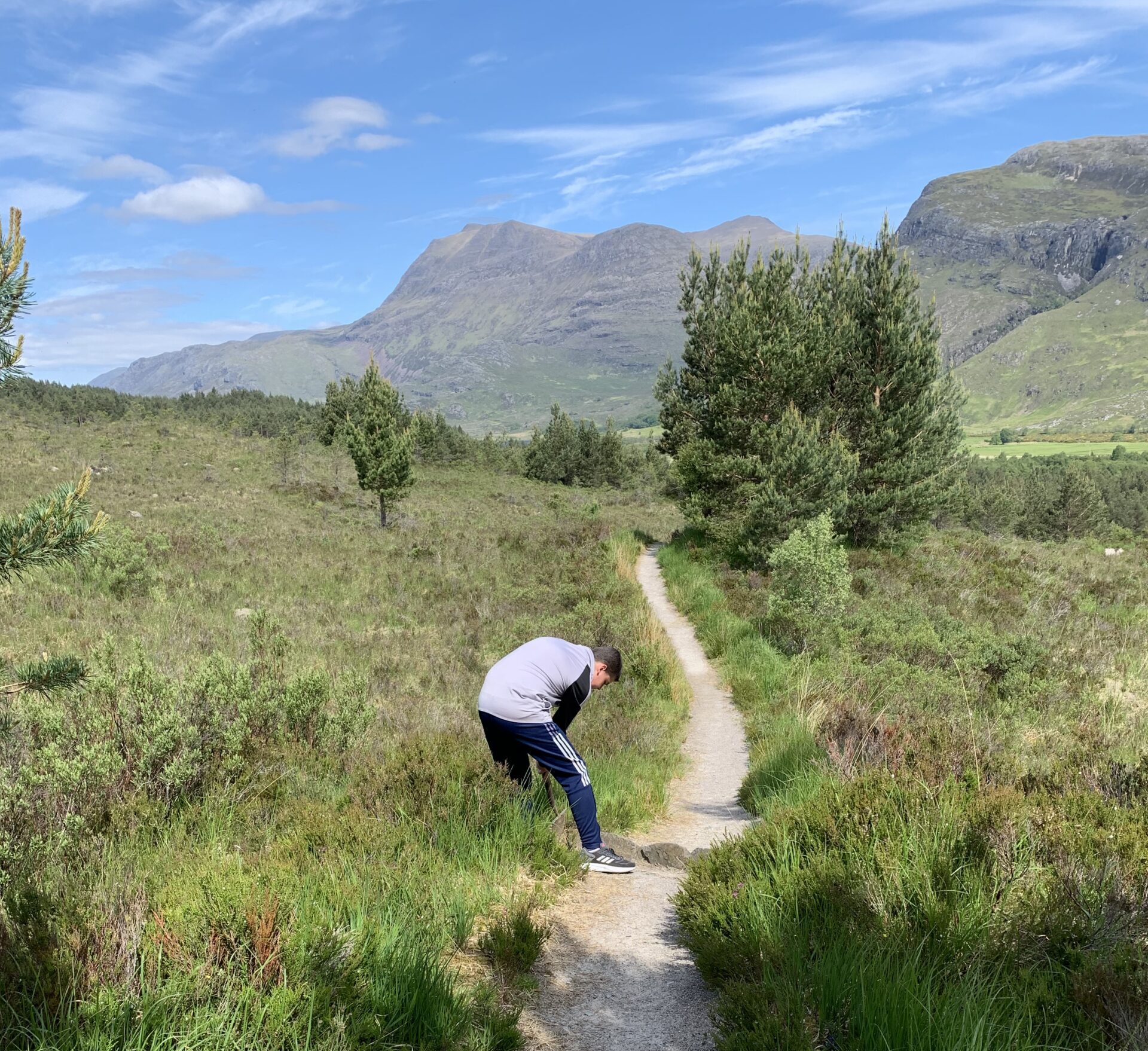
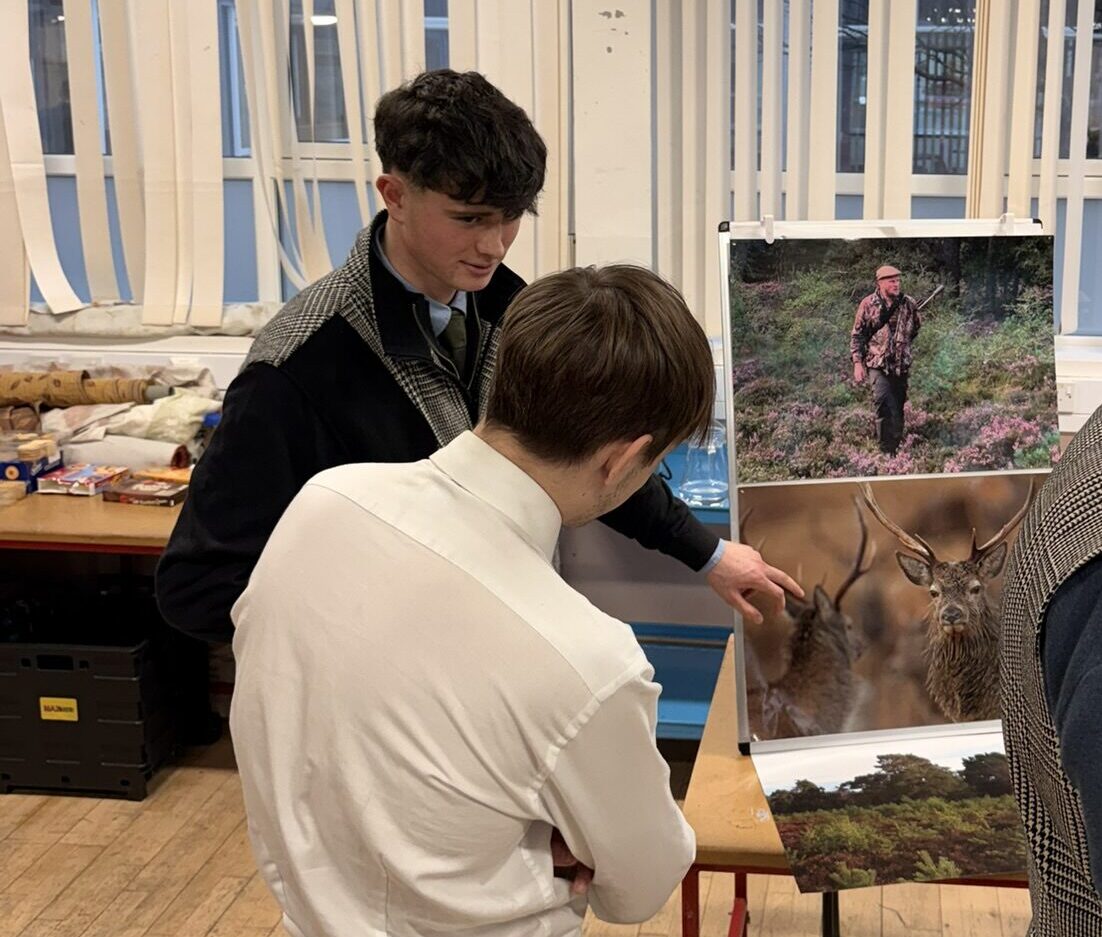
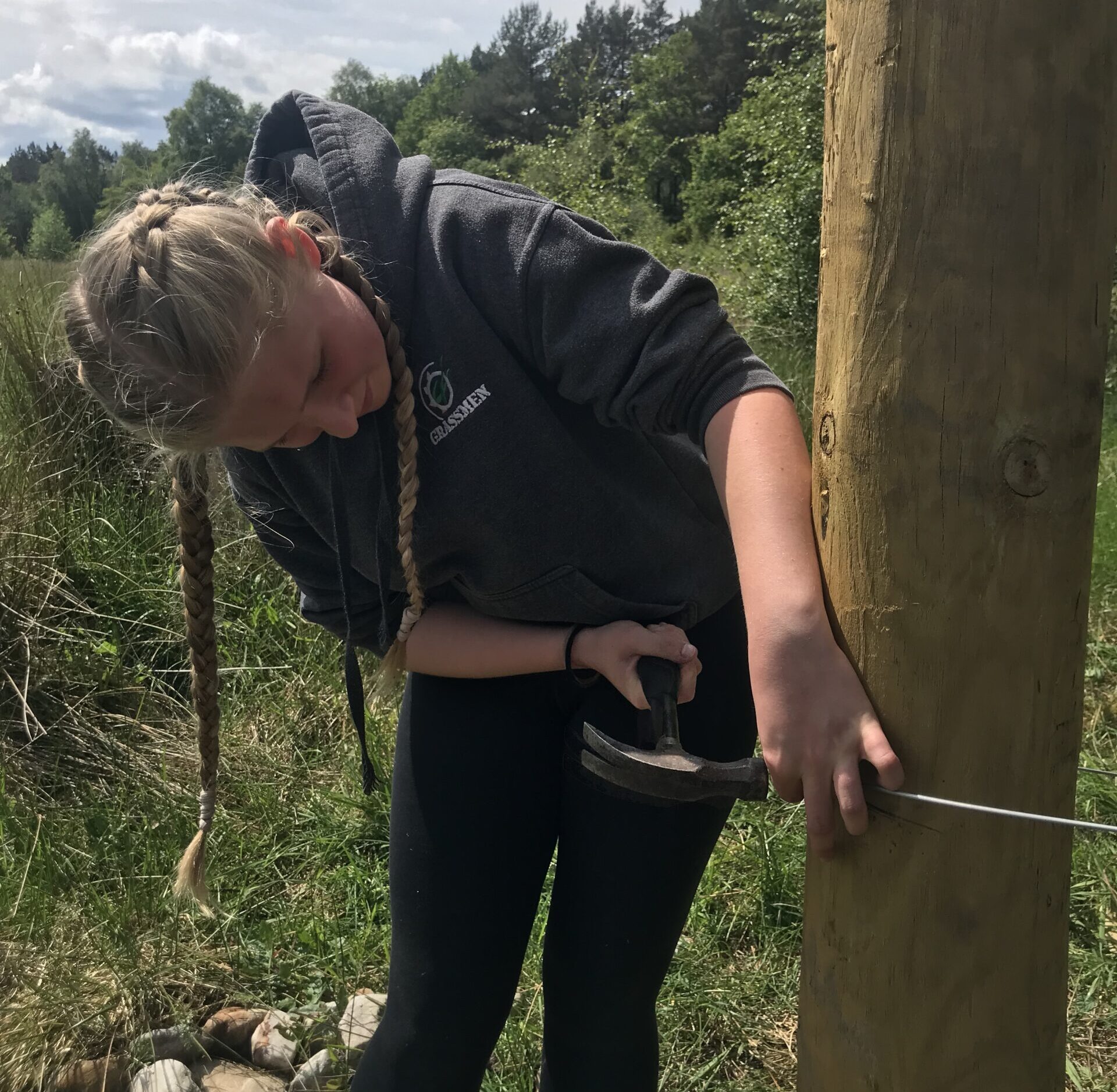
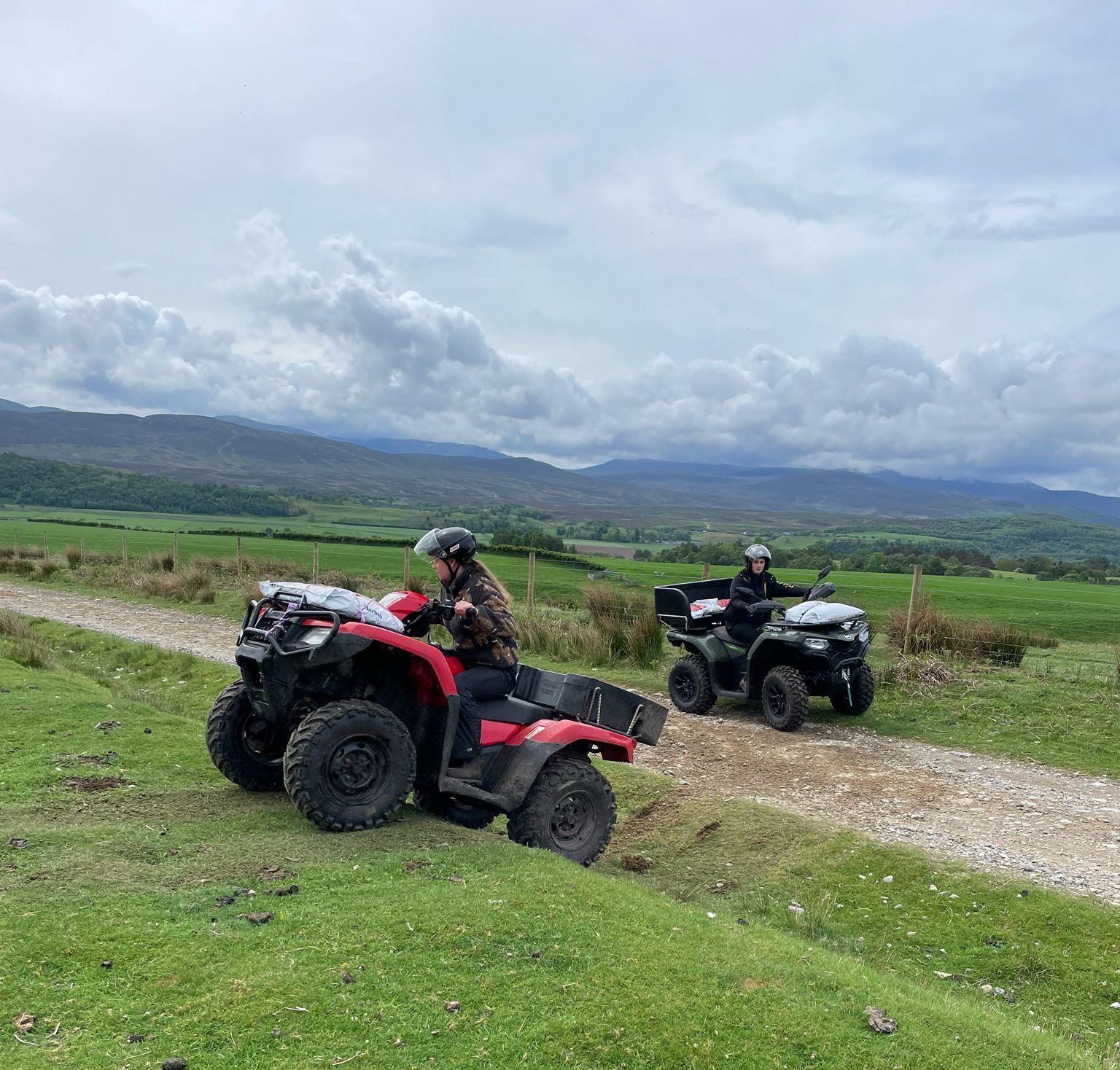
We recognise that schools are facing multifaceted challenges.
At the same time, rural businesses are struggling to find ‘work ready’ young people to fill vacancies.
The solution is the Rural Employability Scheme.
The scheme focuses on providing participants with a robust learning and development pathway, allowing them to discover, explore, and specialise in rural sectors while ensuring they have the skills, confidence, and support to transition into meaningful, sustainable employment in rural Scotland.
How it works
🌱 Our Pathways to Rural Work Coordinators work with schools and young people within our active regions to offer the Rural Employability Scheme to interested youngsters.
💡 Young people that are interested in rural and outdoor careers are invited to register as new members of RES. Dependant on region, we invite new members that are in S3 upwards and/or school leavers.
🏃🏻➡️ Upon successful sign-up (spaces are limited), new members will commence Year 1 in the Autumn with foundationary activities and opportunities that build a strong basis for personal and pathway development. The programme progresses into Year 2 with specific industry skilling and experience to each members interests and career pathway aspirations. See below for a detailed programme structure.
🎓 We deliver RES in collaboration with schools and the curriculum to allow for the programme to align and support sustainable and successful learning.
🫱🏽🫲🏽 The diverse range of activities and events delivered throughout the programme are in partnership with several organisations. Training courses are always delivered professionally and we use reputable training providers. Most training opportunities are accredited with the chance to earn certification. Work experience placements are carefully planned – especially for school-attending members who require fully H&S vetted employers.
Year 1 - Discover
Term 1: Introduction to Rural Work & Self Discovery
✅Core Skills Development e.g. CV writing, interview preparation, communication and public speaking, teamwork etc
✅Personal Assessment & Exploration e.g. career discovery and appraisal sessions – interest, strengths etc, panel sessions with professionals
Term 2: Introduction to Rural Sectors
✅Sector Focused Workshops & field trips e.g Agriculture, Forestry, Tourism, Conservation, Recreation & Adventure etc
✅Guest Speakers
✅Practical Experience
Term3: Personal Development & Networking
✅Mentorship & Networking
✅Personal Development Plans
✅Initial Professional Training Course
Year 2 - Develop
Term 1: Sector Specific Training & Qualifications
✅Industry Recognised Training that is tailored for or chosen by members.
✅Job Shadowing and Volunteering
✅Short Term Placements
Term 2: Work Experience & Industry placements
✅Emphasis on placements of understanding the organisational side of rural businesses
✅Regular check-ins and support from coordinator
Term 3: Transition to employment
✅Career readiness & job search support
✅Cover letter/email writing support
✅Interview coaching
Onwards from RES - Deliver
As alumni to RES, former members can complete a full circle and inspire others to consider rural careers and gain the benefits!
✅ Become a rural champion
✅ Give back and lead
✅ Promote RES to others
RES benefits all
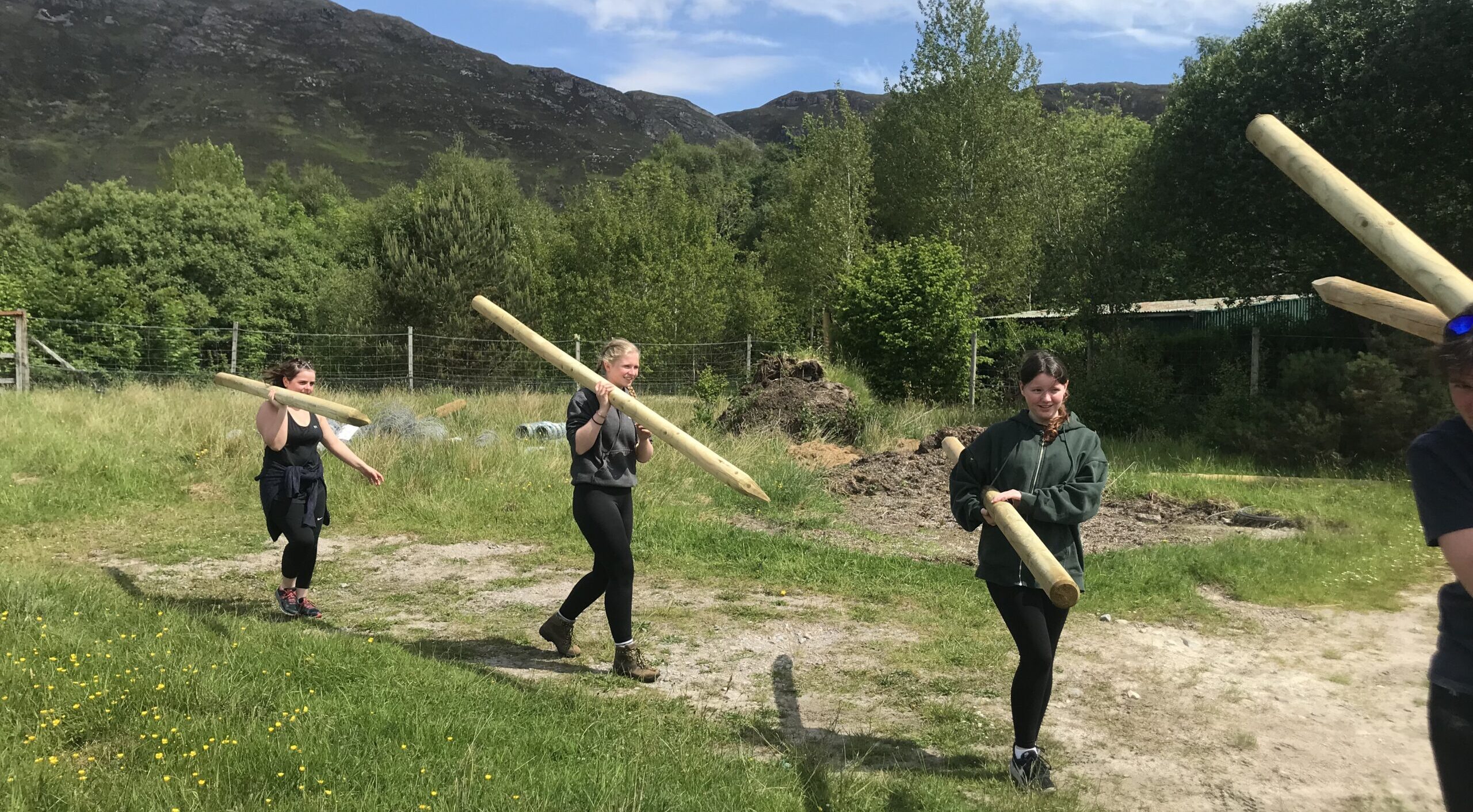
Young participants
⚡Gain practical and transferrable skills that align with the needs of rural industries.
⚡Enhanced awareness of rural opportunities
⚡Improved confidence and readiness for employment
⚡Stronger connections between participants and rural industries
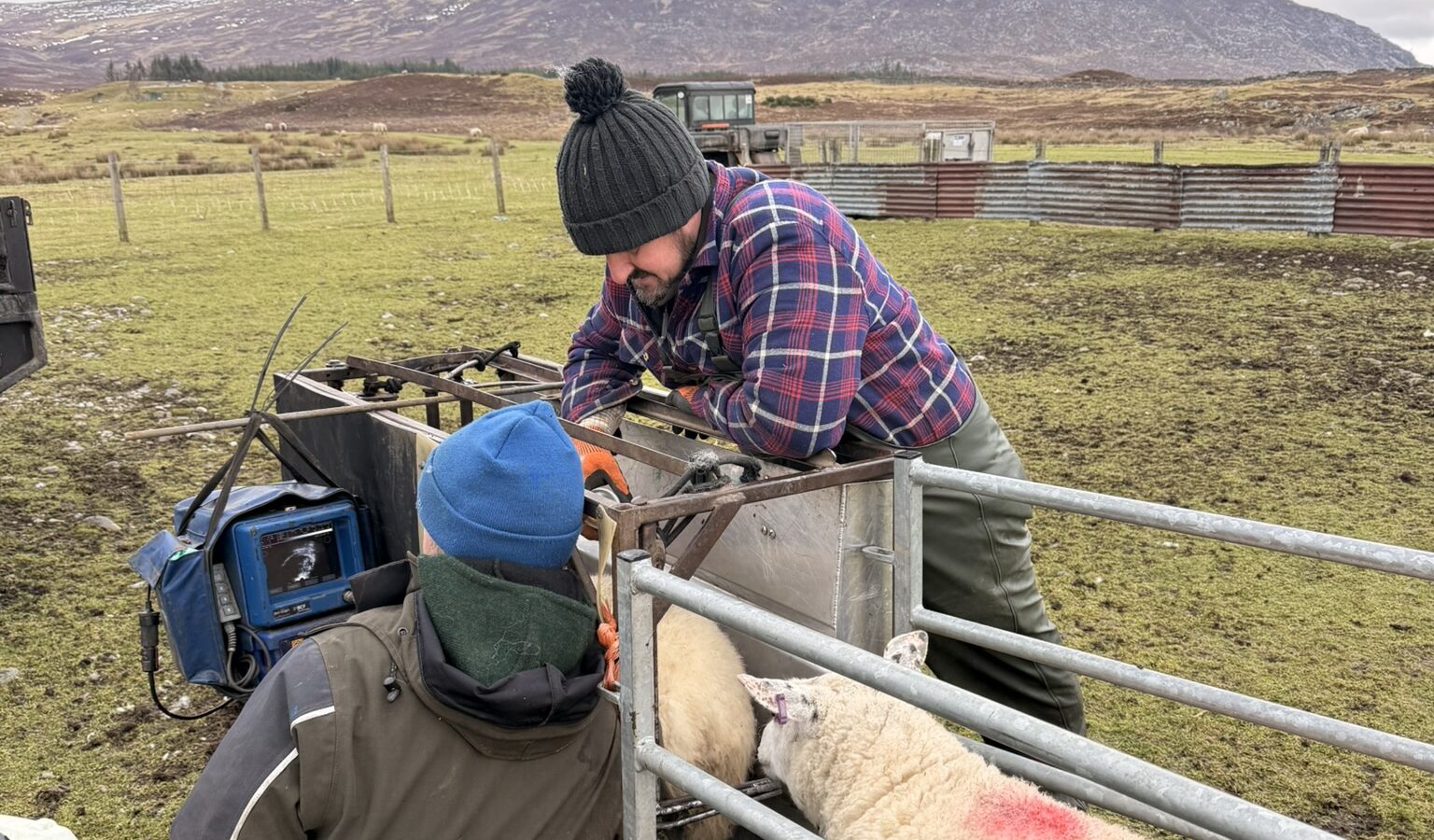
Businesses
⚡Will have access to the best work ready, skilled group of young people on an annual basis.
⚡Will have a source of modern-day trained and greener-skilled workers with sustainability and innovation in mind.
⚡Will build relations and connectivity with the local community and other businesses and organisations.
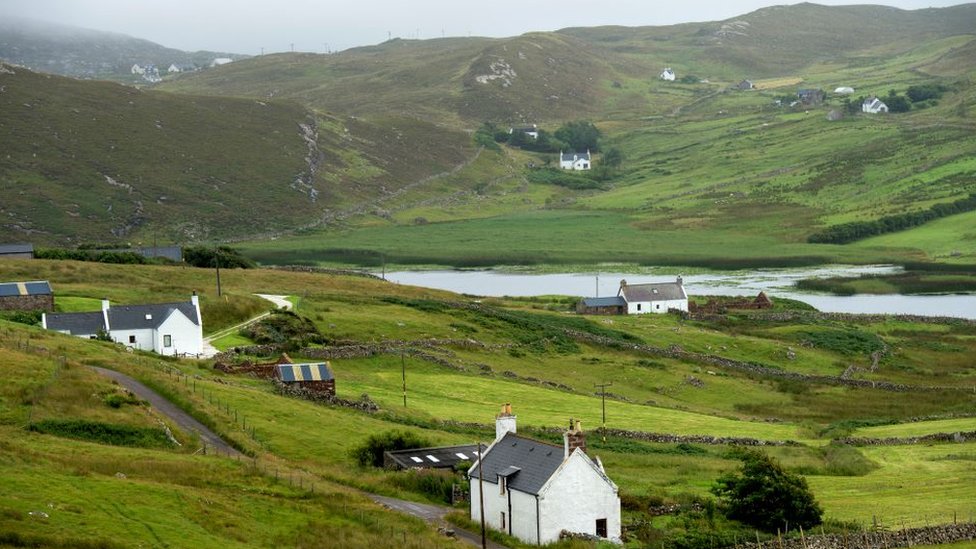
Communities
⚡Will retain more young people locally and therefore improve community resilience and the local economy.
⚡Multiplied effect will promote the reversal of rural decline
⚡Traditional skills and cultural heritage will be preserved for generations to come
Getting involved
We recruit for RES every year during May and June, so that we can commence the programme of events the following Autumn. Coordinators will be present in schools to introduce pupils to RES and invite to sign up.
We have developed RES for young people starting senior phase of secondary school. We mostly recruit individuals coming to the end of S3/ starting S4 (or equivalent ages). This is so members can be eligible ages to participate in training courses.
However, dependant on region, RES has been adapted to deliver to a wider age range or to solely 16yo + and school leavers. This will be be made clear when coordinators a starting recruitment.
Places on RES are limited and are offered to our active secondary schools, however we would enjoy hearing from you if you are a home-scholar or from outwith our active regions.
Regional Delivery
RES is being delivered within our active regions – Highland, Grampian, Perth & Kinross and Tayside. To find out more about our regional delivery click here.
To get involved or find out how your school can participate, get in touch with us today.
If you would like to send information on RES to others, you can share this Information Leaflet.
FAQ's
How do RES activities fit in with the school timetable?
We understand that pupils have class learning commitments. RES is made to be flexible. We find that most secondary schools have set periods in the timetable for pupils with study, extra learning opportunities, field trips etc. Some RES activities can run during these periods. For full/ multi day events, crucial pre-planning will be made with schools to arrange suitable dates.
Who is the scheme intended for?
We have initially created RES for young people starting S4 (or age equivalent for non-pupils). This age is suitable as they are at a key stage of considering career pathways, but it also ensures members are at eligible age for training courses (16+yo) in Year 2.
However, dependant on region we offer RES to other wider age ranges and situations i.e. school leavers.
Is RES accredited?
We have launched RES only recently in 2026 so the scheme has not yet been accredited as a whole. We hope to one day have developed RES to a point where it is recognised nationwide by the education systems, governments and economy.
However, elements of RES are accredited, such as training delivered by professional training providers.
Who will deliver the training?
Training will be a mix of core/ soft skill development and practical rural skills training.
Core and soft skills training will be delivered by professional providers and/ or the CLS team. We work with orgnisations like Growbiz to deliver training and workshops to young people to become more understanding of business and worklife
Rural skills will be delivered by accredited and highly regarded training providers like Findlay Training, Ringlink Services and SRUC.
What is a Personal Development Plan (PDP)?
We sit down with members in Year 1 to create a supportive plan, to help guide them the direction they want to go in their career pathway. It will also define how they will reach these goals.
The PDP will plan out Year 2 for members, but will also include recommendations and information for continued progression after RES.
What happens if a RES member leaves school during the programme?
Members that make a decision to leave school during their time on RES can still continue with the programme. RES can be delivered to young people even if they are not at school. However, RES may have to be structured slightly differnet to that delivered to secondary pupils i.e. school leavers may have a job influencing their time availability to attend some activities.
If you still have questions about RES, please get in touch with us.
Proud to Work With


